 Circle Editor
1 min read
Security Guard Career Path in the UK
 Circle Editor : Feb 16, 2026, 12:21:20 PM
Security Guard Career Path in the UK: Qualifications, Progression & Opportunities The security industry in the UK employs over 400,000 people and...
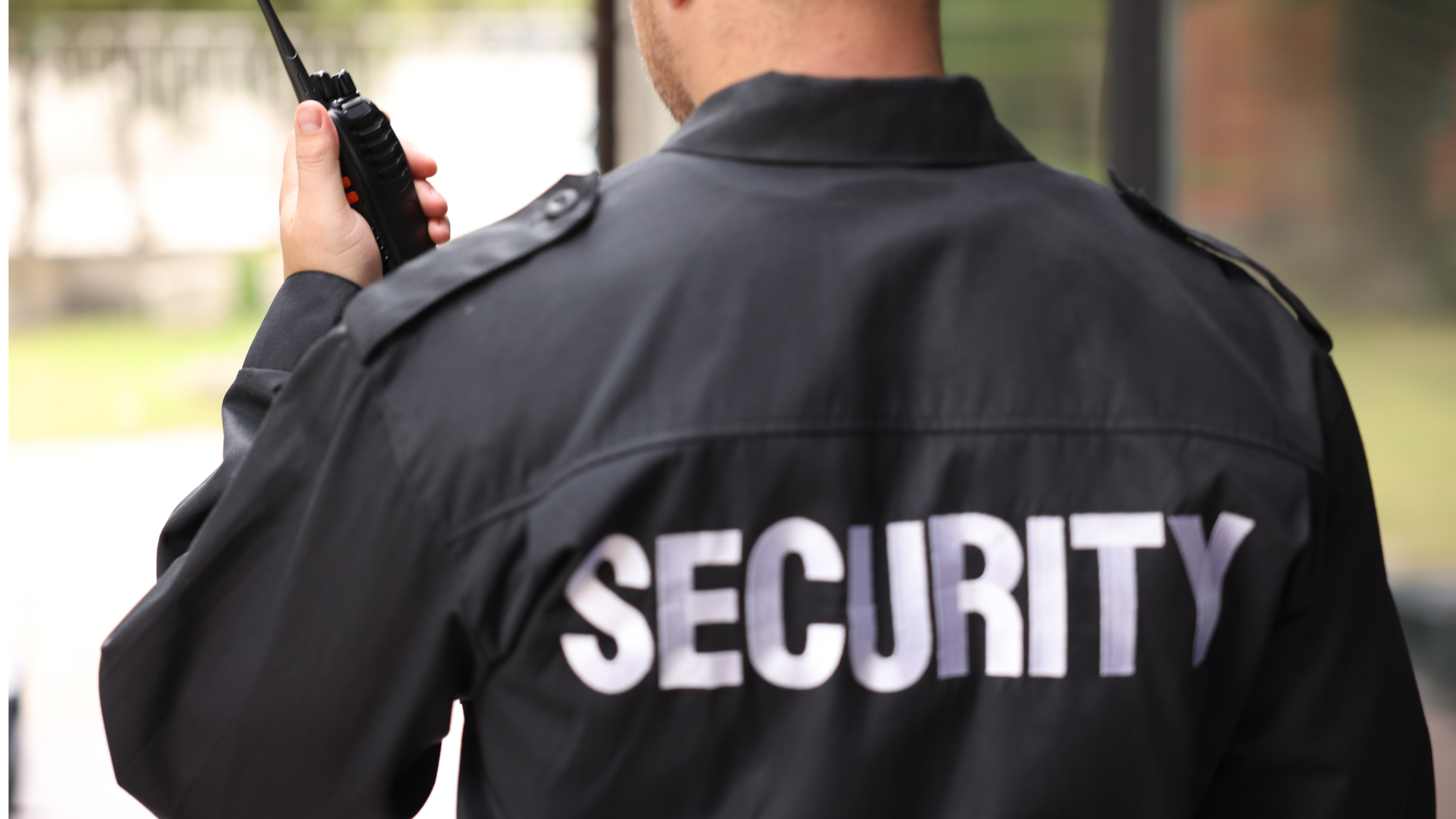
Working as a security officer can be the beginning of a much broader career in the security industry. With experience and the right professional development, security officers can progress into supervisory positions, CCTV roles, specialist security work and security management. If you're already working in security, or considering entering the industry, here's how to build your skills and prepare for your next opportunity.
For most front-line private security roles in the UK, you'll need the appropriate Security Industry Authority (SIA) licence.
Before applying for a front-line SIA licence, you normally need to complete the relevant licence-linked qualification. The qualification you need depends on the type of security work you want to undertake.
This can include:
Security Guarding
Door Supervision
Public Space Surveillance (CCTV)
Close Protection
The SIA also requires Security Guards and Door Supervisors to hold an appropriate First Aid qualification before undertaking their licence-linked training. Current SIA guidance should always be checked before booking training or applying for a licence.
Preparing for a career in security?
Explore training designed to help you build the knowledge and skills required for the industry.

An SIA licence can allow you to work in particular security roles, but professional development doesn't need to stop there. Security officers work in environments ranging from offices and warehouses to construction sites, retail premises, events and critical infrastructure. Additional knowledge can help you become better prepared for the situations you may encounter at work.
Useful areas for development include:
Security officers regularly interact with members of the public, employees, visitors and contractors. Developing your communication and conflict management skills can help you handle challenging situations more professionally and confidently.
Security officers are often well placed to support emergency procedures because they understand the premises, access points and movement of people around a site.
Fire Marshal training can help develop knowledge of fire prevention, evacuation procedures, identifying fire hazards and responding appropriately during an emergency.
For officers working in commercial buildings, warehouses, construction environments and other operational sites, this can be a valuable addition to their professional development.
Security professionals can encounter vulnerable adults and children in public spaces, healthcare environments, retail locations and other workplaces.
Safeguarding training can help you understand potential warning signs and appropriate reporting procedures.
Security work can involve lone working, night shifts, patrols, manual tasks and potentially hazardous environments.
Understanding workplace Health and Safety and risk assessment can help you recognise hazards and work more safely.
Knowing how to respond to fire risks, alarms and evacuation procedures can be particularly useful for officers responsible for protecting buildings and supporting occupants during emergencies.
Security is also a people-focused profession.
In many environments, the security officer is one of the first people a visitor meets. Strong communication and customer service skills can help you represent both your employer and the client professionally.

Security work can offer opportunities for career progression.
The National Careers Service identifies progression from security officer roles into positions such as supervisor or chief security officer. With further experience and development, security professionals can also move towards security management.
If progression is your goal, consider developing skills in areas such as:
Team supervision
Leadership and management
Security management
CCTV operations
Incident reporting
Risk assessment
Cyber security awareness
The right development path will depend on the type of security career you want to build.
Want to develop several areas of your professional knowledge without choosing courses individually?
The Circle Academy Security Officer Training Plan brings together six courses covering safeguarding, risk assessment, workplace safety, the private security industry and professional development.

Don't collect qualifications simply because they are available.
Ask yourself:
What role do I want next?
If you want to become a stronger site-based security officer, practical training in First Aid, conflict management, safeguarding, Fire Safety and Health and Safety may be particularly relevant.
If you're aiming for supervisory or management positions, leadership, team management, risk assessment and security management could be more valuable.
If you're interested in specialist security work, you may want to explore the specific SIA licence-linked requirements for CCTV or Close Protection roles.
A career in security can develop in many different directions. Experience matters, but continuing to develop your knowledge can help you become more capable in your current role and better prepared when new opportunities arise. Circle Academy provides professional development and workplace training across areas including First Aid, Health and Safety, safeguarding, risk assessment, management and workplace compliance.

Security Industry Authority, GOV.UK: Check what training you need to get an SIA licence
https://www.gov.uk/guidance/check-what-training-you-need-to-get-an-sia-licence

Join over 5,000 professionals receiving practical insights, industry updates and expert guidance on security, compliance, health & safety and business continuity.
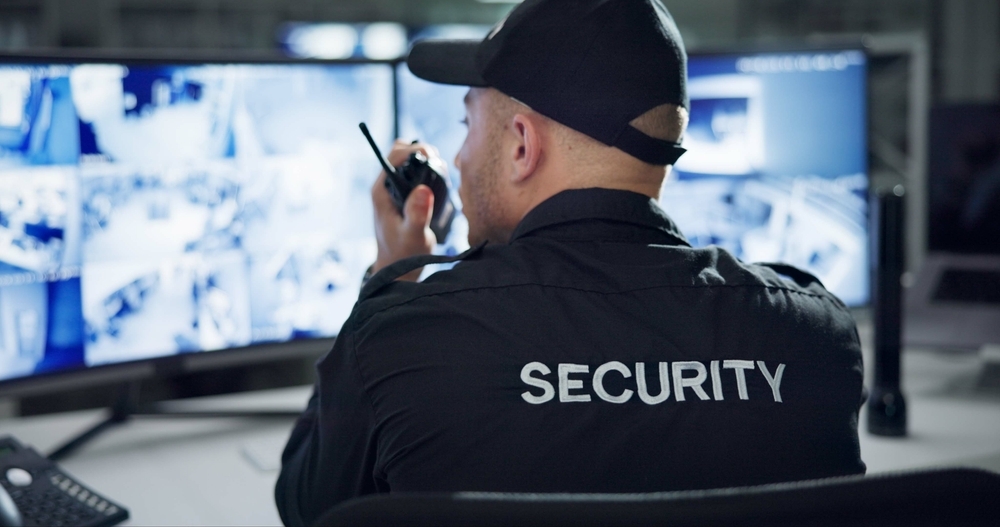
1 min read
Circle Editor : Feb 16, 2026, 12:21:20 PM
Security Guard Career Path in the UK: Qualifications, Progression & Opportunities The security industry in the UK employs over 400,000 people and...
1 min read
Circle Editor : Jan 22, 2026, 4:14:34 PM
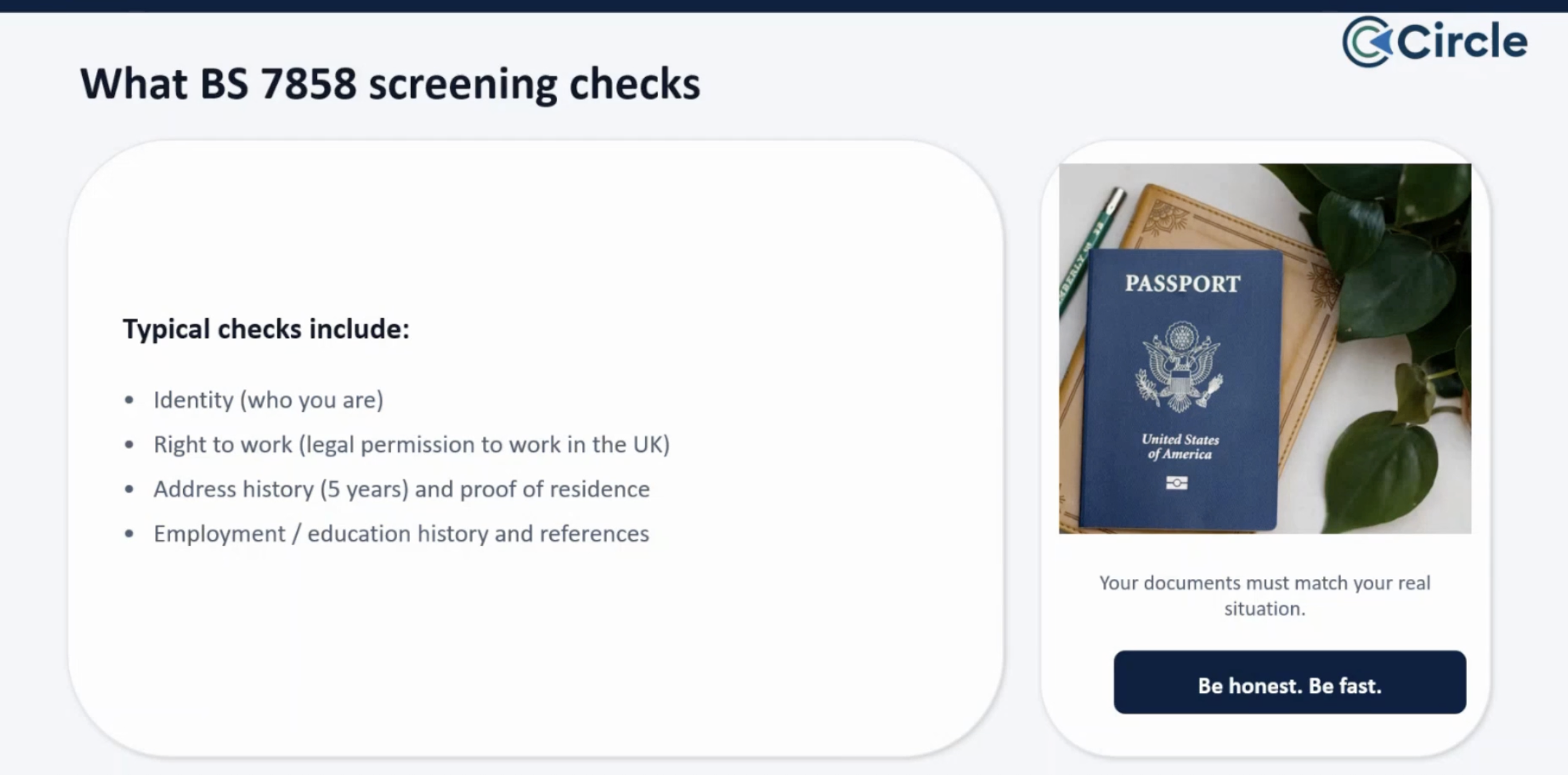
By Circle UK Group Academy Vetting is a fundamental part of working in the security industry, yet it is often misunderstood. Vetting is more than...
2 min read
Circle Editor : Jul 9, 2026, 4:05:34 PM
If you work in the private security industry, or you're planning to start a career as a Security Guard, Door Supervisor or Close Protection...