2 min read
Cut Construction Costs with Innovative Site Security Solutions
In the dynamic world of construction, securing your site is crucial. With valuable assets, machinery, and materials at stake, construction site...
4 min read
Circle Editor
:
Updated on September 11, 2026
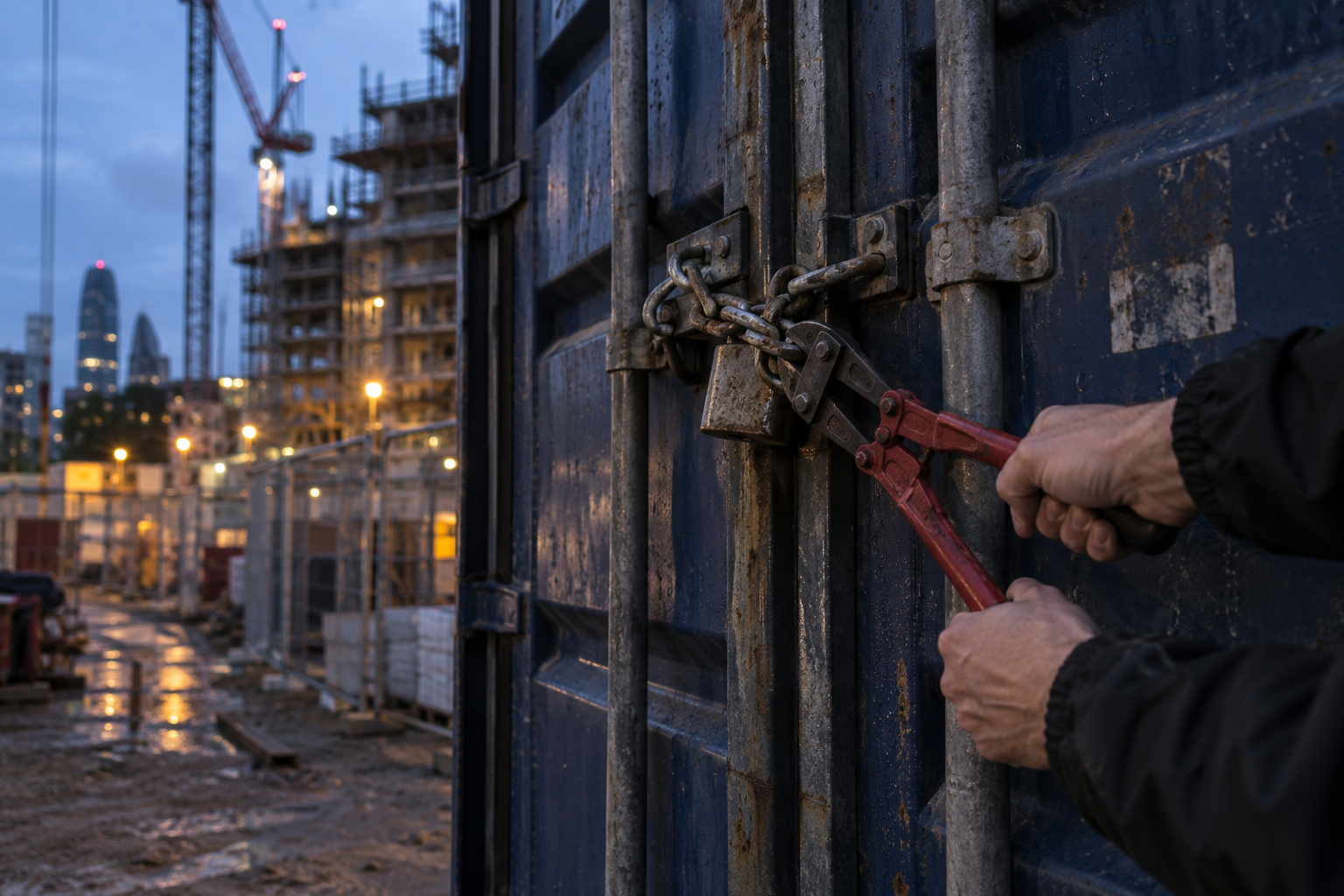
Construction site crime is not simply a matter of replacing stolen equipment. A single incident can stop work, affect subcontractors, increase project costs and leave workers personally out of pocket.
New UK research suggests that these consequences are becoming more serious at the same time as many construction businesses are reducing security expenditure. With shorter days and longer periods of darkness approaching, now is the right time for contractors, developers and site managers to review whether their existing security arrangements still reflect the risks they face.
The BauWatch Construction Site Crime Report 2026, based on independent OnePoll research involving 500 UK construction professionals, highlights several important changes:
The findings indicate that construction crime is becoming more targeted and disruptive. Smaller, portable assets that can be accessed, removed and resold quickly are increasingly attractive to offenders. This can include power tools, specialist equipment, batteries, small plant and electronic devices.
For construction businesses, the real exposure is therefore much wider than the replacement value of an individual item.
When equipment is stolen or a site is unlawfully accessed, the immediate loss is only the beginning. The wider consequences may include:
In some circumstances, the absence of a single specialist tool or item of plant can prevent an entire team from continuing its work. If the incident affects a critical stage of the programme, the cost of the delay can quickly exceed the value of the stolen asset.
This is why construction site security should be treated as part of operational risk management, not simply as an overhead or a response to previous theft.

Security arrangements that appeared adequate during the summer may no longer provide the same protection when conditions change. Earlier sunsets create longer periods in which sites are unoccupied and visibility is reduced. Poor weather can obscure cameras, affect lighting and make damage to perimeter fencing more difficult to identify. Changes to working hours and project phases may also create new access points, storage areas or blind spots. The run-up to Christmas can bring further exposure as sites prepare for shutdown periods, equipment remains unattended and normal staffing arrangements change.
A seasonal review should consider whether:
The 2026 research also points to the use of drones for surveillance and the cloning or hacking of digital access credentials. This reinforces an important principle: physical and digital security can no longer be managed as entirely separate issues.
A robust site security plan should consider how people, technology and procedures work together. For example, an access-control system may restrict entry, but it will be less effective if old credentials remain active or entry codes are routinely shared. A camera may record suspicious activity, but recording alone may not stop an incident if nobody is monitoring the system or authorised to respond.
Construction sites should therefore examine the complete journey an intruder might take, from observing the premises and reaching the perimeter to gaining access, locating assets and leaving the site.
Before the darker months arrive, construction leaders should ask five practical questions.
Construction sites develop rapidly. Fencing is moved, compounds are relocated, scaffolding creates new routes and valuable equipment arrives at different stages. A security plan based on the site layout from three months ago may no longer reflect current exposure.
The most expensive item is not always the most operationally critical. Identify the tools, equipment, materials, data and access devices whose loss would stop work or delay a key activity.
Visible deterrents, perimeter protection, lighting, intrusion detection and properly positioned CCTV can help identify activity earlier. The objective should be to increase the likelihood of detection and intervention before loss or damage occurs.
Technology is most effective when it supports a clear response. Confirm who receives the alert, how it is verified, who can attend the site and when the police or another emergency service should be contacted.
Site teams should know how to secure equipment, report suspicious behaviour, challenge access safely and escalate concerns. Good security culture depends on consistent behaviour across employees, contractors, visitors and suppliers.
Budget pressure across construction is understandable. However, reducing security without reassessing the remaining risk can produce a false saving.
The appropriate level of protection should be based on the site's changing risk profile. This includes location, local crime patterns, project phase, asset value, working hours, access arrangements and the potential effect of disruption.
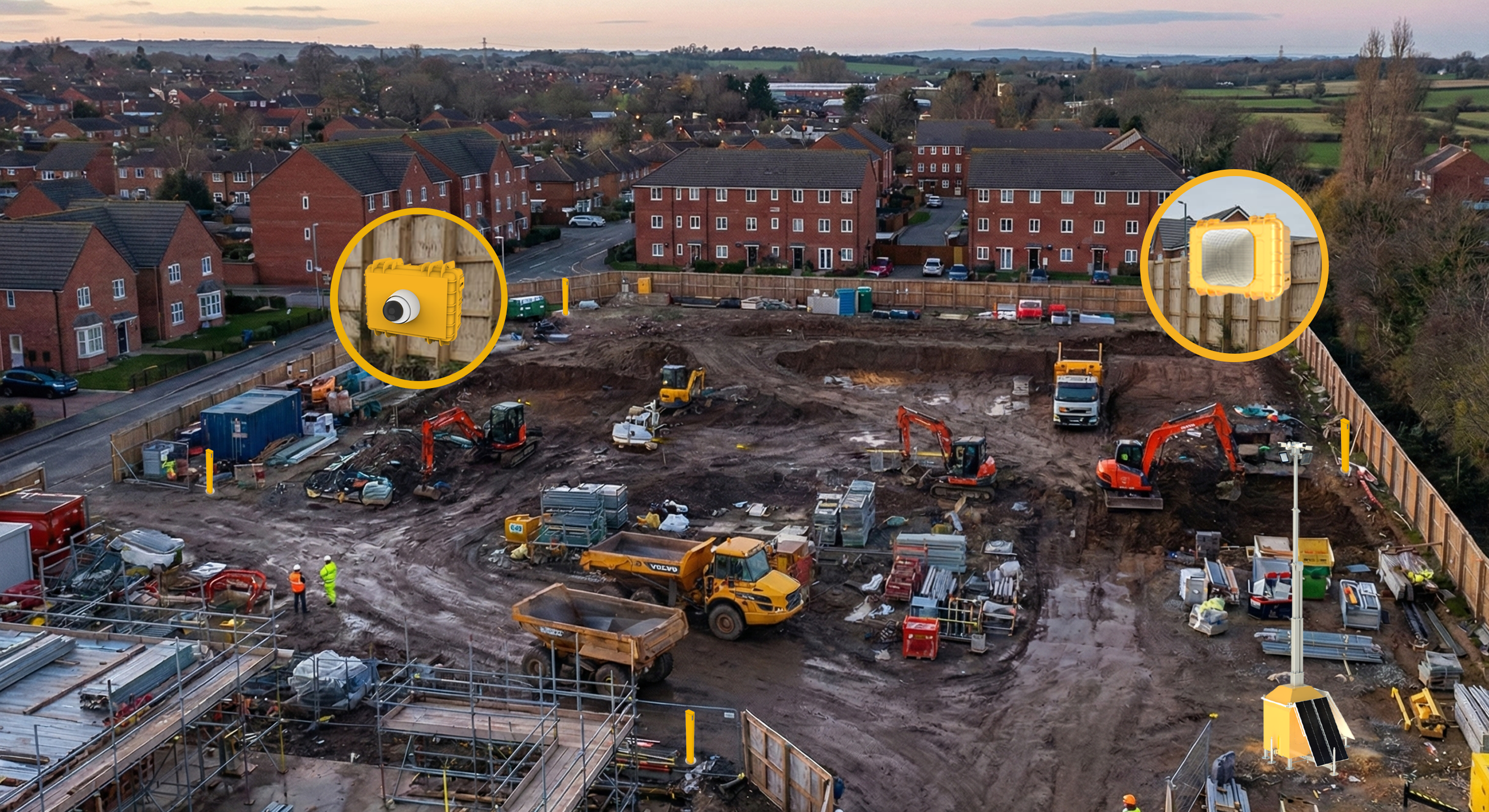
Not every site needs the same combination of measures. A proportionate solution may include mobile patrols, security personnel, keyholding and alarm response, access control, temporary wireless alarms, monitored CCTV or solar-powered CCTV towers. The important point is that each measure should address an identified risk and form part of a coordinated plan.
Waiting for an incident before strengthening security is costly. A more effective approach is to identify vulnerabilities early, assess their potential impact, introduce proportionate controls and continue monitoring as the project changes. Circle UK Group supports construction businesses through integrated security and risk management, bringing together site risk assessments, security personnel, mobile patrols, access control, rapidly deployable alarm and CCTV solutions, and 24/7 operational support.
With autumn approaching, this is the right time to check whether your security plan still matches the site you are operating today.
Review your perimeter, access arrangements, critical assets, monitoring and response procedures before seasonal risks increase.
Speak to Circle UK Group about a construction site security and risk review.
Call: 020 3988 2444
Source note: Statistics referenced in this article are drawn from the BauWatch Construction Site Crime Report 2026, based on independent OnePoll research involving 500 UK construction professionals.
2 min read
In the dynamic world of construction, securing your site is crucial. With valuable assets, machinery, and materials at stake, construction site...
Managing construction site alarm systems on temporary UK sites takes more than plugging in a few sensors. Construction directors and site owners face...
Construction sites are prime targets for theft, vandalism and unauthorised access. High-value equipment. Open perimeters. Limited overnight...